Facial & upper lip laser hair removal.
Facial hair is the area clients are most self-conscious about and the area that needs the most careful hand. Thinner skin, finer hair and often a hormonal cause underneath — so the settings are gentler, the sessions are more numerous, and honesty about what is achievable matters more than anywhere else.
Delicate skin, patient settings.
Facial hair is usually finer than body hair, which means it holds less pigment for the laser to find. That is not a reason to avoid treating it — it is a reason to expect eight to ten sessions rather than six, and to be wary of anyone promising otherwise.
Treating the face properly.
Shave or trim the area the night before — do not thread, wax or pluck for four weeks. Stop retinol, tretinoin and glycolic or salicylic acids one week beforehand, since they thin the surface of the skin and raise the risk of irritation.
Arrive with a clean face: no makeup, sunscreen or moisturiser on the treatment area. Full face takes about twenty minutes and covers upper lip, chin, jawline, cheeks and the sideburn area. Upper lip alone is ten minutes.
Protective eyewear is worn throughout, and Sukh works around the eye socket rather than close to it. Expect pinkness and slight puffiness around the follicles for a few hours — on the face this is more visible than elsewhere, so many clients book for the end of the day.
Facial hair typically needs eight to ten sessions, spaced four weeks apart, and hormonal facial hair may need a maintenance session once or twice a year. Anyone promising permanent clearance of hormonal facial hair in six sessions is overselling.
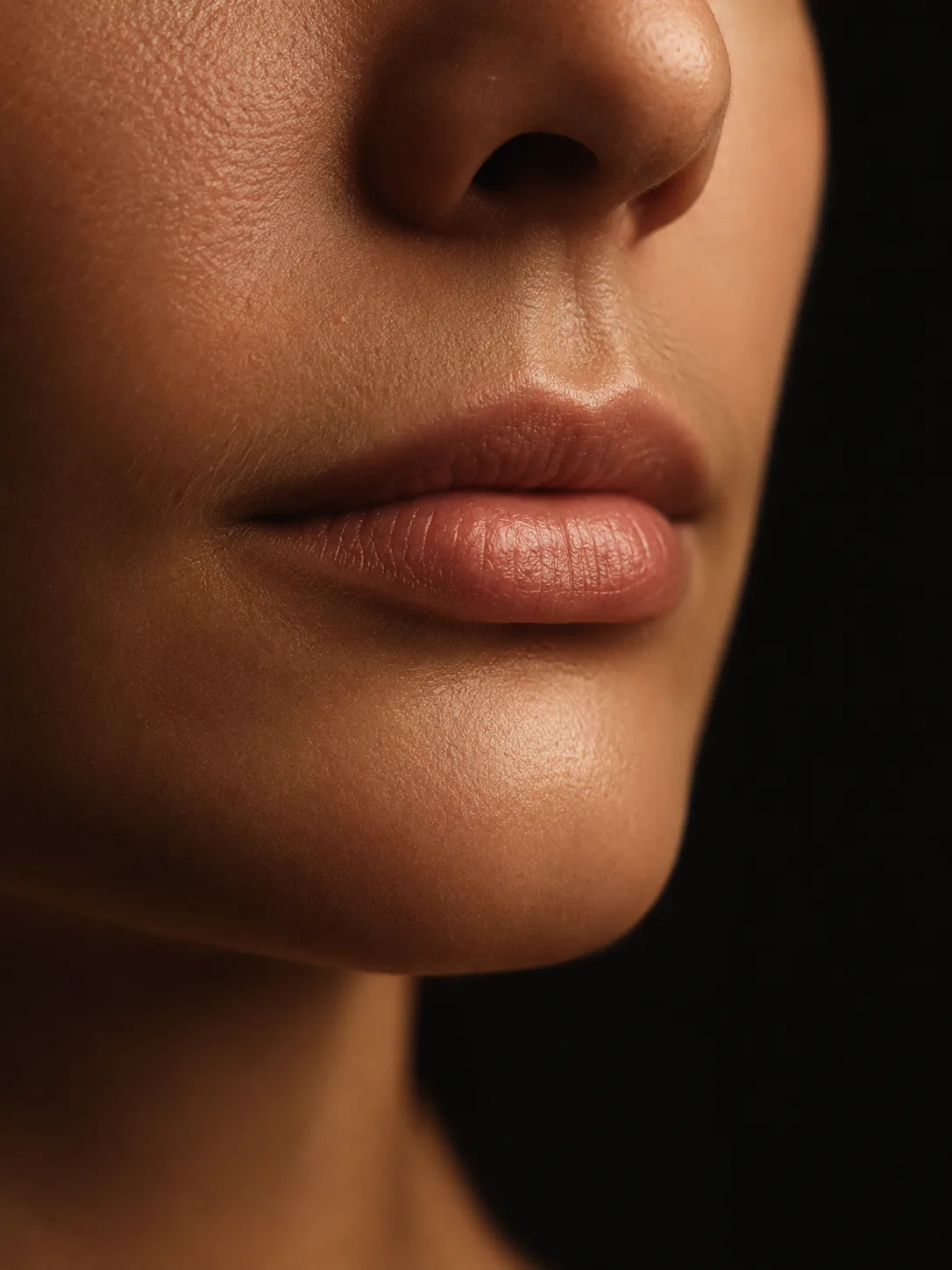
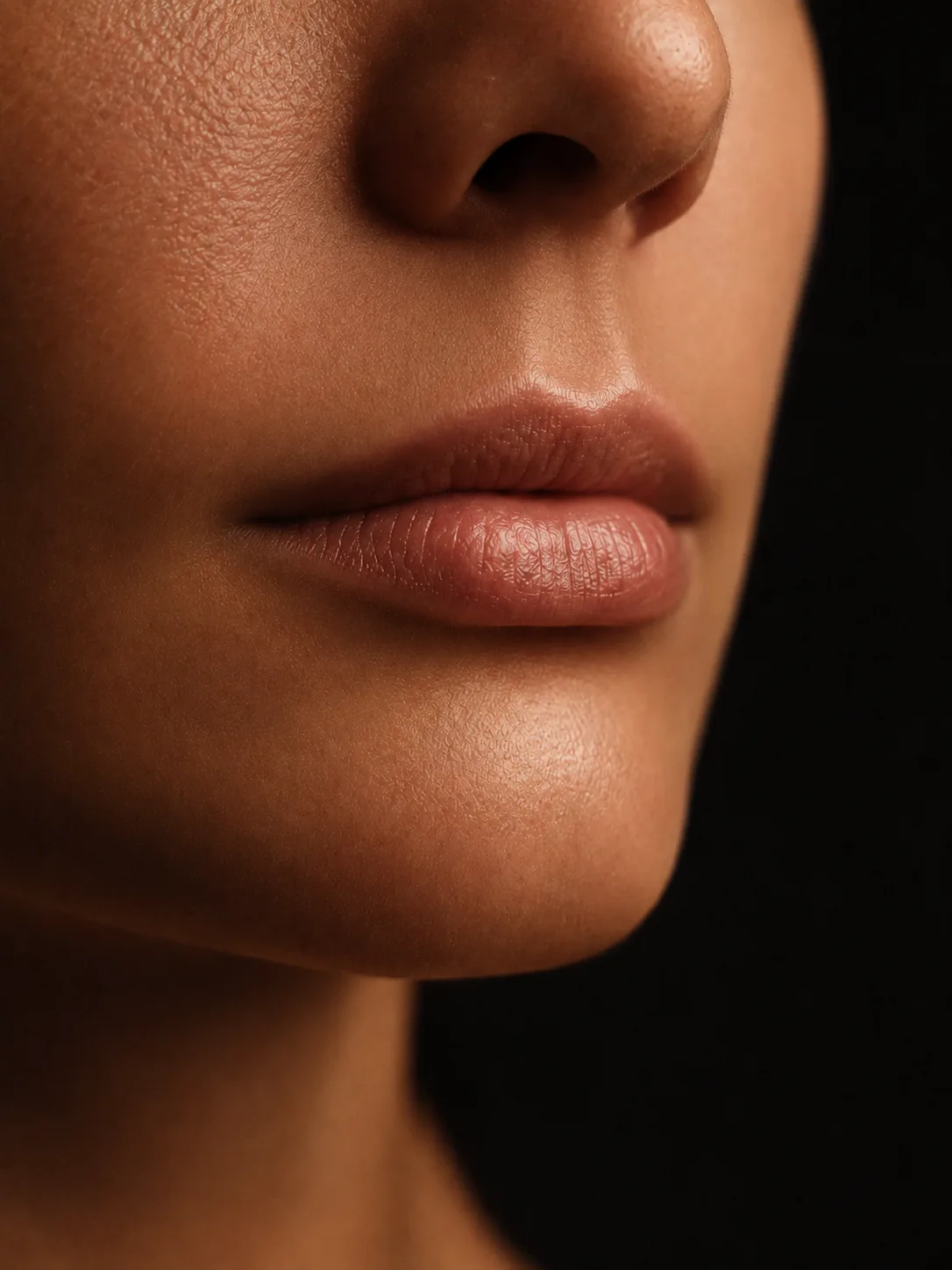
Facial laser hair removal before and after
A Georgetown client after eight sessions. Facial hair is finer than body hair and generally needs more sessions.
Facial pricing.
Prices are per session. Combining areas is usually cheaper than booking them separately — the Full Body package at $200 covers face, arms, legs, underarms and Brazilian together.
About face.
Will laser make facial hair worse? +
There is a rare phenomenon called paradoxical hypertrichosis, mostly reported on the face and jaw with underpowered treatment on fine hair. It is uncommon, and the way to avoid it is correct parameters for your skin and hair type — which is precisely what the consultation and patch test establish.
I have PCOS. Is laser worth it? +
Yes, for most clients — but with realistic expectations. Laser removes the follicles that exist now; it cannot stop hormones activating new ones. Many PCOS clients go from daily management to a maintenance session once or twice a year, which is a substantial change in quality of life.
Can you treat between the eyebrows? +
Yes, and around the sideburns and jawline. Sukh does not treat inside the orbital rim, on the eyelid or on the brow itself — no reputable technician will, because the eye cannot be adequately shielded there.
How many sessions for the upper lip? +
Usually eight to ten, spaced four weeks apart. Upper lip hair is often fine and light, so it takes more patience than coarse body hair.
Will it help my ingrown facial hairs and dark spots? +
Ingrowns generally stop as the follicles are treated. Post-inflammatory dark marks fade more slowly and are a pigment issue rather than a hair issue — a HydraFacial or microneedling course addresses those better, and Sukh offers both.
Can I wear makeup afterwards? +
Wait twenty-four hours. The follicles are open immediately after treatment and foundation is the most common cause of small breakouts post-session.
Your consultation is free.
Twenty minutes, a patch test, and honest answers about what laser can and cannot do for your skin and hair. No pressure, no obligation.